

“This reduces manual entry errors and ensures timely transactions, which are crucial for cash flow management,” Schmied says. To keep your financial records, you’ll need a chart of https://www.bookstime.com/ accounts—a complete listing of every account in your accounting system. These accounts are used to categorize all of your business’s transactions and are crucial for maintaining organized financial records. Accounting, on the other hand, takes the information provided by bookkeeping and analyzes it to provide insights and reports. Accountants interpret, classify, analyze, report, and summarize financial data.

About Intuit
Each element of this program is also available separately, and qualifying equivalent courses can be substituted for NACPB courses. Forbes Advisor’s education editors are committed to producing unbiased rankings and informative articles covering online colleges, tech bootcamps and career paths. Our ranking methodologies use data from the National Center for Education Statistics, education providers, and reputable educational and professional organizations. An advisory board of educators and other subject matter experts reviews and verifies our content to bring you trustworthy, up-to-date information.
- Prior to joining Forbes Advisor’s education team, Ilana wrote and edited for websites such as BestColleges.com and AffordableCollegesOnline.org.
- Last not but least is our very own course on using a Cash Book in Excel for your small business bookkeeping using our free Excel Cash Book template.
- QuickBooks is one of the bookkeeping field’s most widely used software platforms, and bookkeepers can pursue several training options to earn certification in its use through its parent company.
- To learn more about the IAP Career College Affiliate Program click HERE.
Offered by
While large businesses will usually employ a sizable accounting department with many employees (as well as doing business with a separate auditing firm), smaller businesses may employ only a bookkeeper. In a single-person business, the business owner may need to handle the accounting themselves, without the help of a bookkeeper. Whether you’re trying to manage your own finances or are interested in finding work as a bookkeeper for another person’s business, learning the basics of accounting can help you get started. You can earn a certified public bookkeeper (CPB) license through the National Association of Certified Public Bookkeepers (NACPB). The American Institute of Professional Bookkeepers (AIPB) can help prepare you for the national certified bookkeeper (CB) exam by training you in payroll, inventory, error correction, and more. Both the CPB and CB certifications have similar eligibility requirements.
What Is the Difference Between a Bookkeeping Certification and a Bookkeeping Certificate?
- Traditional manual methods have been complemented, and often replaced, by sophisticated accounting software that automates many tasks, reduces human error, and provides real-time insights.
- Continuous learning and practice will enable you to enhance your expertise and provide even greater value to your business or clients.
- Explore a curated selection of the best Accounting courses for beginners.
- This course consists of 13 sessions covering topics such as business transaction analysis, accounts receivable and payable, basic payroll and financial statements.
- The team works with Intuit’s Tax and Bookkeeping experts, recruiters, and thought leaders.
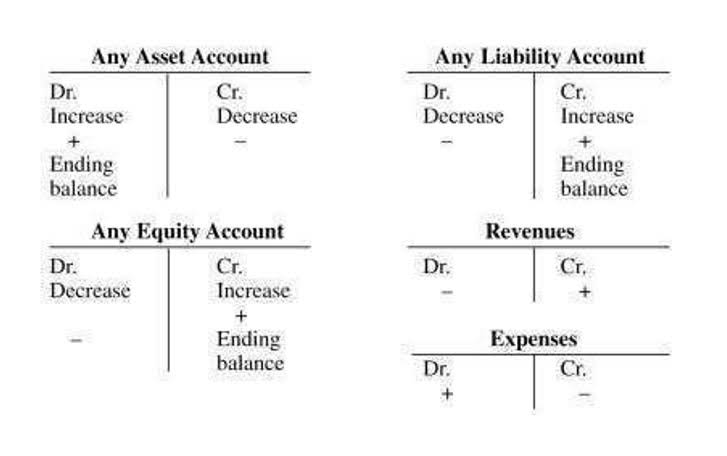
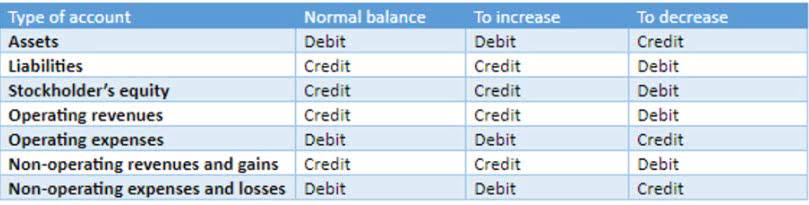
As such, these are some of the best bookkeeping certification training courses for both new and established bookkeepers seeking a versatile generalist credential. A double entry bookkeeping system records every transaction in two accounts—debits and credits—ensuring financial accuracy. Additionally, free courses and certifications are a good place to get started as you eventually aim to tackle some of the more Accounting Errors recognized certifications. One of the more recognized certifications includes the bookkeeping certification by the National Association of Certified Public Bookkeepers, to become a certified bookkeeper. However, to become certified by the National Association of Certified Public Bookkeepers, you need at least two years of experience. Alison offers a free bookkeeping course, but you will have to watch ads throughout your learning with the free version.
By following these steps, you will have a solid foundation for organizing and managing your financial transactions effectively. One of the key principles of bookkeeping is the concept of double-entry accounting. This principle states that every transaction has two equal and opposite effects on the financial position of a business.

Additionally, monitor your outstanding bills (accounts payable) and pay them on time to maintain good relationships with suppliers, avoid late fees, and manage your business’s credit rating. Now that you how to learn bookkeeping understand the basics, it’s time to put your knowledge into action. While bookkeeping and accounting are closely related and often used interchangeably, they serve different purposes in managing a business’s finances.